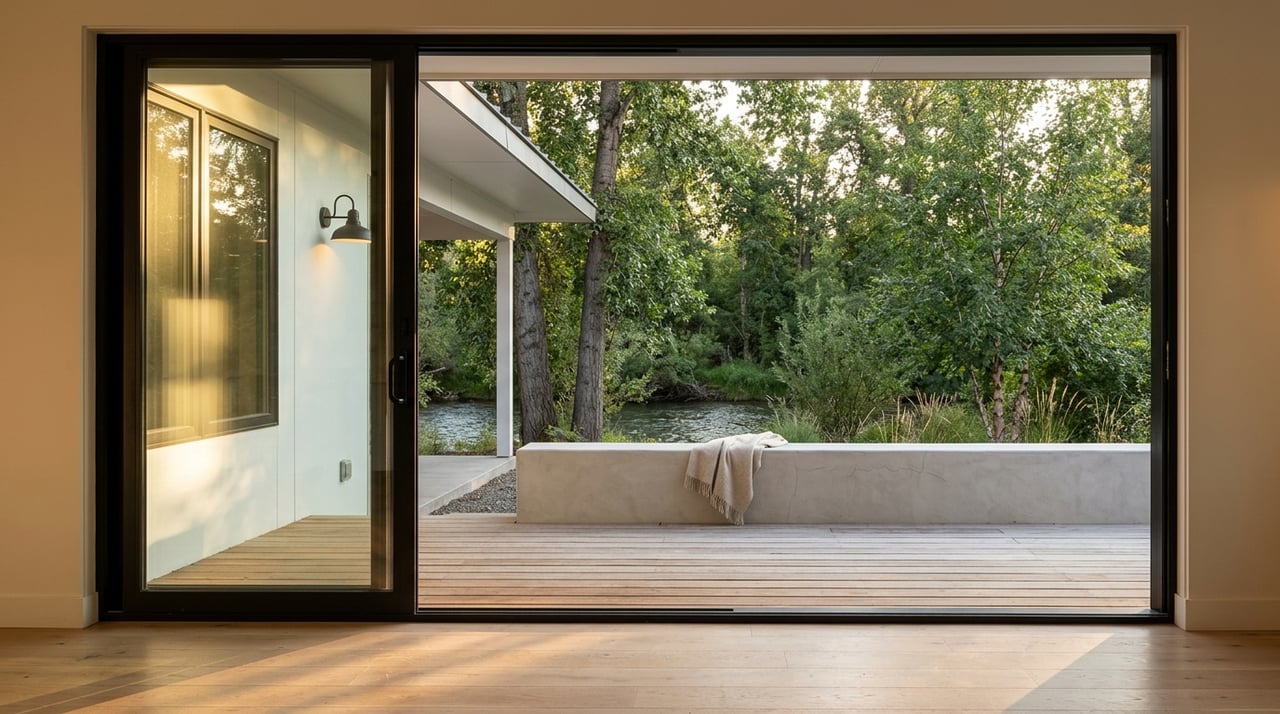
Curious about what riverfront living in Garden City actually feels like day to day? It is easy to picture pretty water views, but the real experience is more layered than that. If you are thinking about buying near the Boise River, this guide will help you understand the pace, perks, tradeoffs, and housing feel of Garden City so you can decide whether it matches the lifestyle you want. Let’s dive in.
Garden City feels close and connected
Garden City is small by metro standards, with an estimated 12,936 residents and just 4.08 square miles of land as of July 1, 2024. That compact footprint shapes the experience in a big way. You are not looking at a far-out river suburb. You are looking at a close-in community that sits beside Boise and still maintains its own identity.
Because Garden City is surrounded by Boise on the north, east, and south, with Eagle to the west, it often feels attached to the larger metro while still having a distinct local rhythm. For many buyers, that is part of the appeal. You get quick access to Boise while living in a place that feels smaller, more eclectic, and more tied to the river corridor.
The housing numbers reinforce that urban feel. Census data shows a 63.1% owner-occupied rate, a median owner-occupied home value of $449,500, a median gross rent of $1,323, and an average household size of 2.19 people. In practical terms, that points to a mixed market with both owners and renters, plus enough density to support nearby amenities and a more connected daily routine.
The Greenbelt shapes daily life
If you live near the river in Garden City, the Boise River Greenbelt is not just a weekend bonus. It is part of how many people move through the area and enjoy their free time. The city describes the Greenbelt as both a recreation and transportation asset, which says a lot about how central it is to everyday life.
Garden City has added key connections, including a south-side stretch from 44th to 49th Streets and a north-side bike path that helps cyclists avoid riding along State Street. Those improvements matter if you want a lifestyle where walking or biking feels realistic, not just aspirational. In this part of the valley, outdoor access is built into the routine.
Surel’s Place describes the Greenbelt as a 25-mile paved bike path connecting the district to downtown Boise. That means your day might start with a bike ride, a walk by the river, or a quick trip into Boise without getting in the car. It can also mean easy access to activities like birding, fishing, tubing, rafting, or spending time near Boise Whitewater Park.
Riverfront living feels active, not sleepy
One of the biggest surprises for some buyers is that Garden City’s riverfront does not feel like a quiet, tucked-away waterfront enclave. It feels more active and social. The river is central, but so are patios, tasting rooms, coffee stops, and arts spaces.
Garden City’s visitor bureau groups the local experience into “Taste,” “Create,” and “Play,” which is a useful summary of the lifestyle. The Greenbelt often works as the connection point between those experiences. You can move between food, drinks, events, and river access in a way that feels compact and easy.
Official visitor information highlights places such as Telaya, Coiled, Western Collective, Caffe Luciano’s, The Riverside Hotel and Sandbar, Stagecoach Inn, and Push and Pour. That mix helps explain the feel of an average evening. Riverfront living here may include a walk or bike ride, then dinner, coffee, a tasting room stop, or live entertainment all in one outing.
Arts are part of the neighborhood identity
Garden City stands out because the arts scene is not an afterthought. It is one of the clearest parts of the area’s identity, especially near the Surel Mitchell Live-Work-Create District. Formally created in 2007, the district stretches between 32nd and 37th Streets on both sides of Chinden.
Here, studios, galleries, live-work spaces, and recurring events sit within walking distance of the river. The Visual Arts Collective and Surel’s Place are two official examples that help anchor the district. If you want a neighborhood with a creative, in-motion feel, this part of Garden City offers something different from a more traditional subdivision setting.
That said, it is also a district in transition. Surel’s Place notes that new condos and apartments are replacing some empty lots, industrial spaces, and older mobile homes and rentals. So the vibe is less polished master plan and more evolving urban river district.
Housing is mixed and still evolving
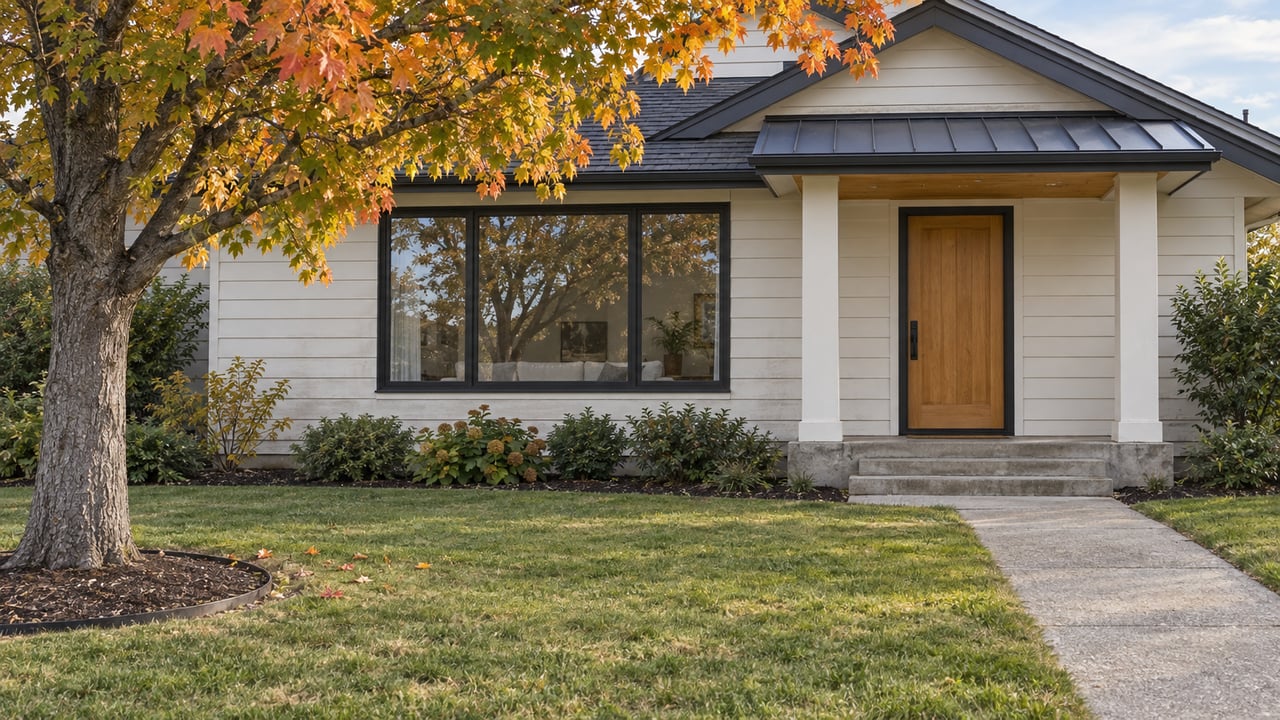
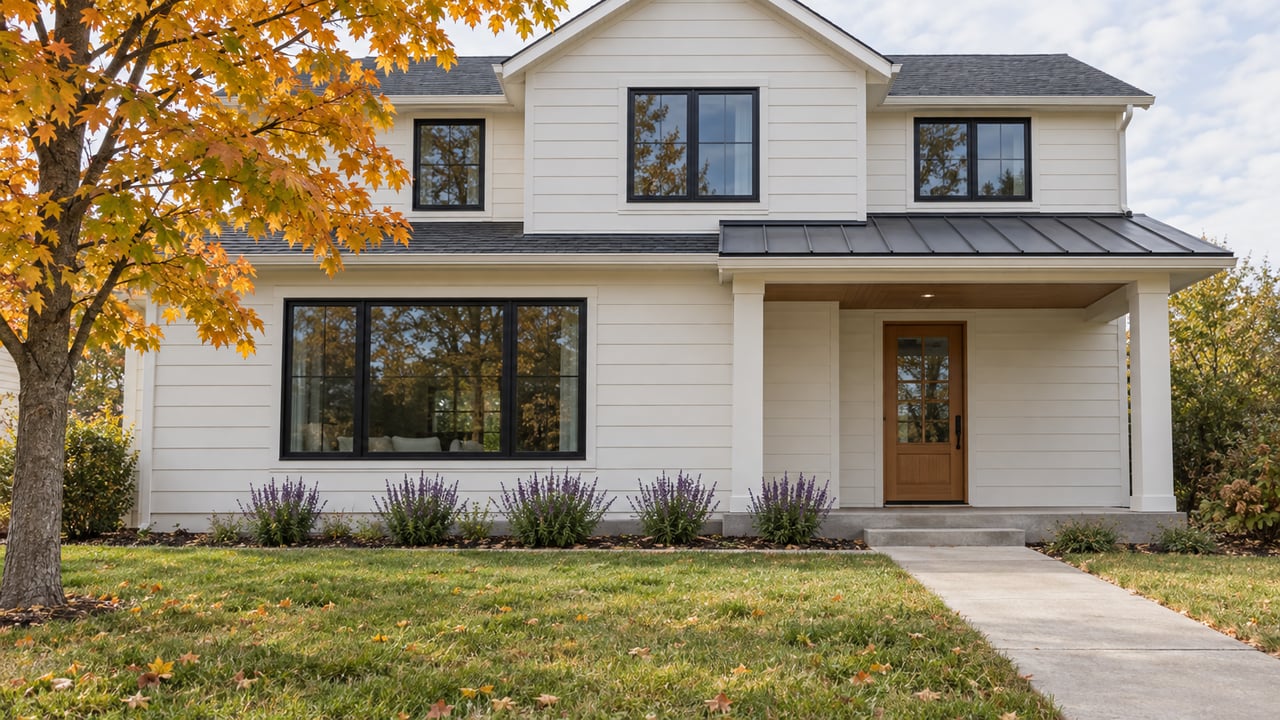
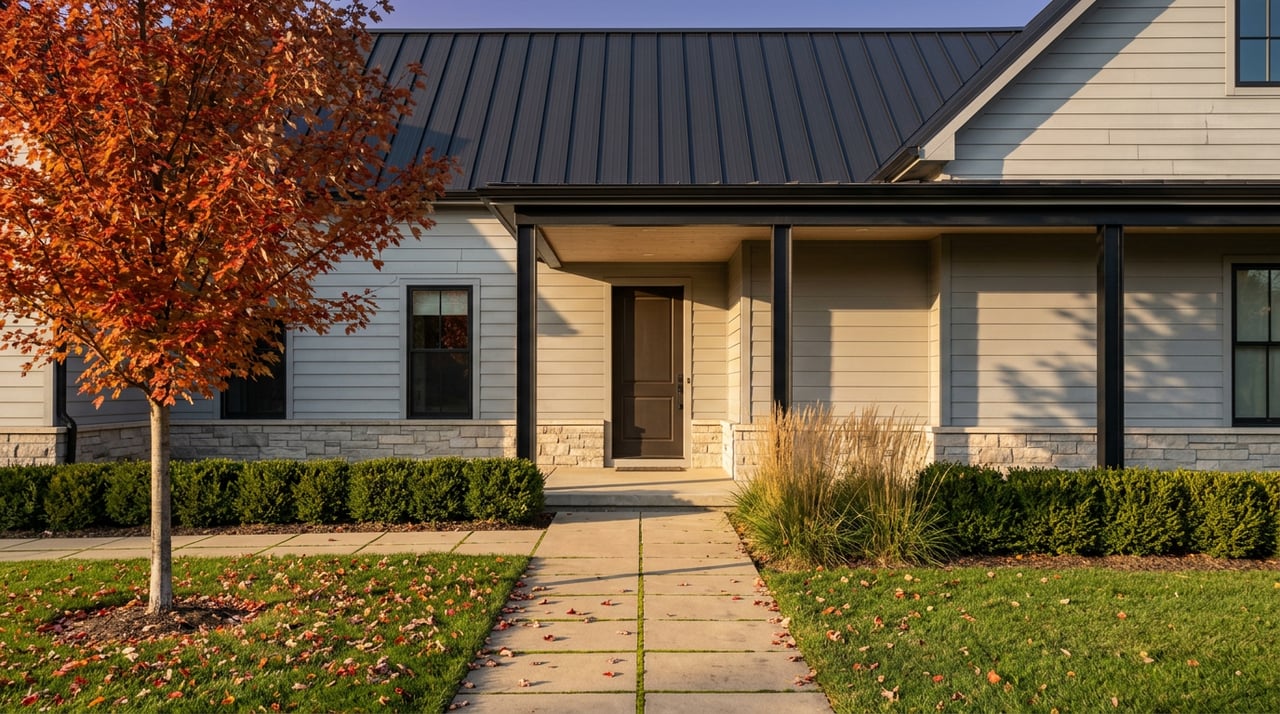
When people ask what homes near the river in Garden City are like, the honest answer is: varied. The city’s comprehensive plan shows a broad mix of housing types across different areas. Some parts are predominantly single-family detached homes, while others allow duplexes, townhouses, and other attached options.
The city also identifies mixed-use residential and mixed-use commercial areas, which helps explain why some sections feel more like a neighborhood district than a classic suburban tract. That pattern creates a more layered streetscape. You may see older detached homes, newer infill, townhomes, apartments, cottages, and live-work buildings within the same broader area.
Garden City’s planning documents also support a diversity of housing, including second units, senior housing, cooperative housing, and live-work structures. The city notes a steady increase in single-family and multifamily units, along with a decline in mobile home units. For buyers, that means the market is changing, and the definition of “riverfront living” can look very different from one block to the next.
Some areas feel more urban than suburban
This is one of the most important mindset shifts for buyers. If you are expecting a uniform neighborhood with one architectural style and a predictable subdivision feel, Garden City may surprise you. Parts of the river corridor feel more urban, more eclectic, and more actively redeveloping.
The comprehensive plan points to higher-density infill projects, pocket neighborhoods, and waterfront-adjacent residential development along and near 36th Street. That creates texture, but it also means the area can feel less finished than newer planned communities in other parts of the Treasure Valley. For many buyers, that energy is a plus. For others, it may feel less settled than they want.
Flood awareness is part of the reality
River access comes with responsibility, and Garden City is very clear about that. The city says about 1,700 properties are in the regulatory floodplain, and roughly 74% of properties are in the 100-year floodplain. It also notes that the Boise River stage at Glenwood Bridge reaches flood stage about once every five years on average.
That does not mean riverfront living is off the table. It does mean you should approach it with clear eyes and careful planning. If you are exploring homes in Garden City, floodplain status should be part of your early research, right alongside layout, condition, and location.
This is one area where local guidance matters. You want to understand the property’s setting, how the area is mapped, and what practical considerations may come with that location. A beautiful river lifestyle and thoughtful due diligence go hand in hand here.
Who tends to love Garden City river living
Garden City tends to make the most sense for buyers who want a lifestyle built around river access, bikeability, and quick connection to Boise. It can also appeal if you like having food, drink, arts, and event spaces nearby instead of spread across a wider suburban area. The convenience feels different because the community is so compact.
You may especially appreciate Garden City if you want:
- Regular access to the Boise River and Greenbelt
- A bike-friendly, close-in location
- A mix of older and newer housing options
- A more urban neighborhood feel than a typical suburb
- Easy access to local dining, patios, tasting rooms, and arts venues
On the other hand, this may not be your best fit if you want a highly uniform neighborhood or a quieter, more removed riverside setting. Garden City is lively, evolving, and practical about the realities of riverfront living. That combination is exactly what draws many people to it.
What riverfront living really feels like
So what does riverfront living in Garden City really feel like? It feels convenient, active, and a little more urban than many buyers first expect. It feels like biking or walking along the Greenbelt can become part of your normal week, not just an occasional treat.
It also feels social. You are not just near the water. You are near a cluster of restaurants, coffee shops, tasting rooms, arts spaces, and events that give the area energy. At the same time, it feels real, because redevelopment is still happening and flood awareness is part of the conversation.
The best way to describe it may be this: Garden City offers a compact, lively, flood-aware river district with Boise right next door. If that mix matches your lifestyle goals, it can be one of the most interesting places to explore in the Treasure Valley.
If you are thinking about buying or selling in Garden City and want local guidance grounded in years of Treasure Valley experience, Joyce Little can help you compare neighborhoods, evaluate property fit, and move forward with confidence.
FAQs
What is Garden City, Idaho like for riverfront living?
- Garden City riverfront living feels compact, active, and connected to Boise, with the Boise River, Greenbelt access, dining spots, arts venues, and evolving housing all playing a major role in daily life.
Is the Boise Greenbelt a big part of life in Garden City?
- Yes. Garden City describes the Greenbelt as both a recreation and transportation asset, and it connects residents to river access, bike routes, and nearby parts of Boise.
What types of homes are near the river in Garden City?
- Housing near the river can include older single-family homes, newer infill projects, townhomes, apartments, cottages, and live-work buildings, depending on the specific area.
Does Garden City, Idaho have floodplain concerns?
- Yes. Garden City says about 1,700 properties are in the regulatory floodplain and roughly 74% of properties are in the 100-year floodplain, so floodplain review is an important part of your home search.
Is Garden City more urban or suburban in feel?
- In many river-adjacent areas, Garden City feels more urban and eclectic than suburban, especially where redevelopment, mixed-use areas, and arts-oriented districts shape the neighborhood character.
Who is a good fit for living in Garden City near the river?
- Buyers who want bikeable river access, fast proximity to Boise, and a social mix of food, arts, and outdoor recreation often find Garden City to be a strong fit.