Thinking about buying a rental in Middleton? It is easy to see the appeal. The city is growing fast, detached homes dominate the housing stock, and rental supply appears limited. But for a small investor, the numbers only work when you look past the headline growth and study rent, pricing, taxes, and day-to-day operating rules carefully. This guide will help you understand the basics so you can make a more informed decision in Middleton. Let’s dive in.
Why Middleton Draws Investor Attention
Middleton is a small but growing city in Canyon County. According to the U.S. Census QuickFacts for Middleton, the population reached 11,730 in July 2024, up 24.2% from April 2020. That kind of growth naturally gets the attention of buyers looking for long-term housing demand.
At the same time, Middleton is still a highly owner-occupied market. The Census reports that 90.4% of occupied housing units are owner-occupied, which means the renter pool is smaller than in many larger cities. For you as a small investor, that can create opportunity, but it also means you should be realistic about renter demand and not assume every property type will perform the same way.
What Rentals Fit Middleton Best
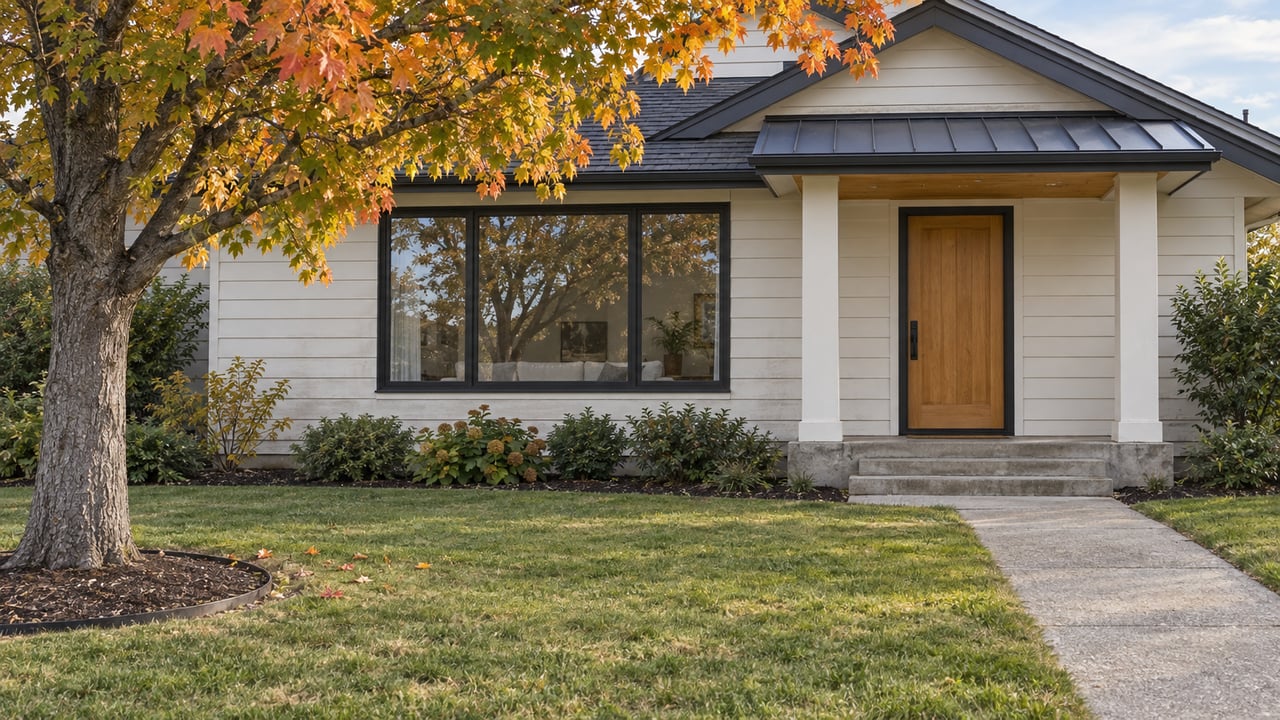
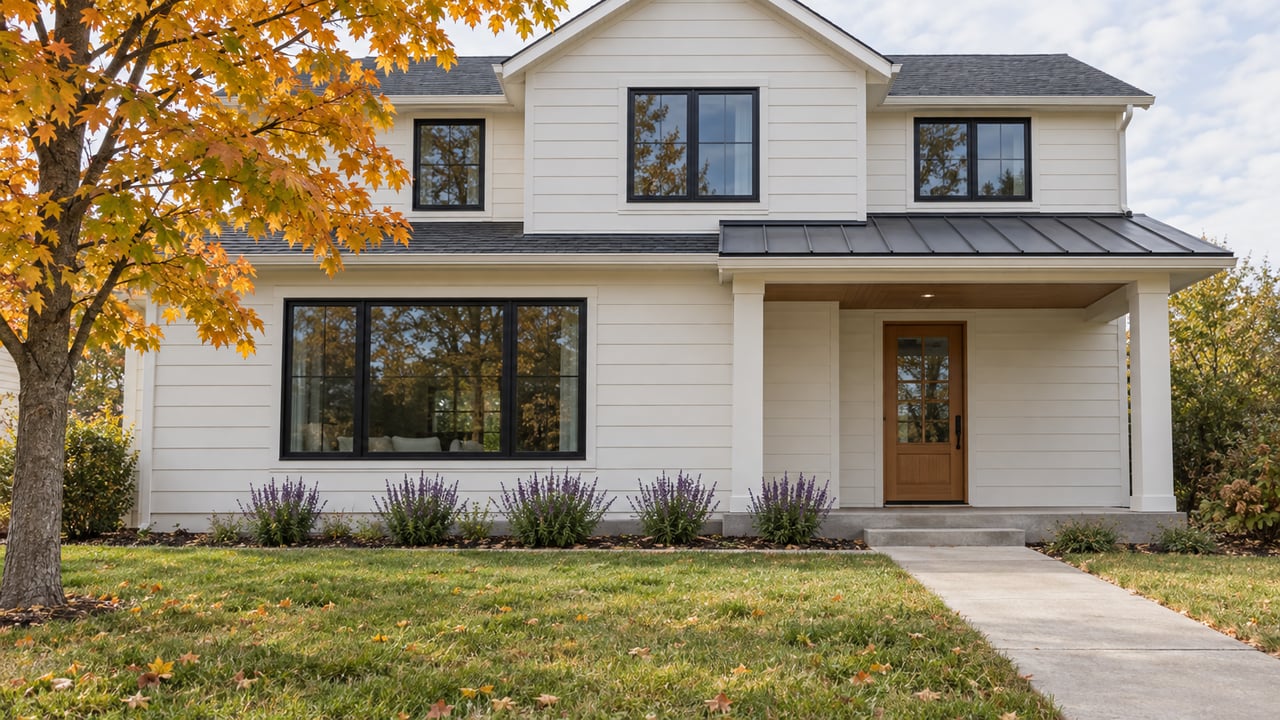
If you are focused on a traditional long-term rental, detached homes are the clearest fit. Middleton’s 2025 Comprehensive Plan says that in 2022, 84.6% of the housing stock was single-family detached, while only 4.5% was multifamily. That matters because it shows what the market is actually built around.
The same city plan also shows that 3-bedroom homes make up 49.2% of units and 4-bedroom homes make up 34.4%. For a small investor, that points to 3- and 4-bedroom houses as the most common and likely most liquid rental product. In plain terms, if you want a property type that aligns with local supply, this is where Middleton appears strongest.
What Rent Levels Look Like Today
Current asking rents in Middleton are much higher than the older census rent figure, so it helps to understand the difference. The Census reports a median gross rent of $1,147, but that number reflects occupied units across 2020 to 2024. By contrast, Zillow’s Middleton rental market trends reflect current asking rents, which are usually more useful when you are underwriting a new purchase.
As of April 3, 2026, Zillow shows an average asking rent of $2,250 across property types in Middleton, with asking rents ranging from $1,195 to $4,200 and 13 available rentals. More specifically for likely single-family options, Zillow reports average asking rents of $2,250 for 3-bedroom homes and $2,698 for 4-bedroom homes.
That gives you a practical starting point, not a guarantee. Actual rent depends on the home’s condition, size, updates, lot, and lease terms. Still, if you are evaluating a standard detached rental, these current asking-rent figures are more helpful than relying on broad older averages alone.
Why Limited Inventory Matters
Middleton appears to have a relatively tight housing supply. The city’s comprehensive plan says the housing stock was 97.0% occupied and 3.0% vacant in the 2022 ACS snapshot. It also cites a 1.72% multifamily rental vacancy rate at the end of the fourth quarter of 2020, which points to historically limited rental availability.
For you, low vacancy can be encouraging because it suggests renters may have fewer options. But it does not automatically make every purchase a good investment. Tight supply can support rent levels, yet you still need to match the right house to the right budget and rent target.
The Price Side of the Equation
This is where many small investors need to slow down. According to Zillow’s Middleton home values data, the typical home value was $494,878 as of February 28, 2026, with a median list price of $603,315 and a median 38 days to pending. Those are meaningful purchase prices for a market where rent still needs to carry your costs.
The same Zillow source suggests a rough gross yield of about 5.5% before taxes, insurance, maintenance, vacancy, and financing costs when comparing average rent to home value. That is not a full investment analysis, but it is a helpful warning sign. In a market like Middleton, small investors usually need to be disciplined on purchase price, financing structure, repair budget, and expected cash flow.
A Simple Way to Underwrite Middleton
Before you buy, it helps to run a conservative rental scenario. A simple underwriting approach can keep you from overestimating your return.
Start with these basics:
- Use current asking-rent data for comparable 3- or 4-bedroom homes
- Assume some vacancy, even in a tight market
- Budget for repairs, maintenance, insurance, and property taxes
- Confirm whether the home will need any updates before leasing
- Stress-test the payment if interest rates or expenses run higher than expected
If the numbers only work in a best-case scenario, that is usually a sign to pause. In Middleton, price discipline matters.
Watch Property Taxes on Conversions
If you are turning a primary residence into a rental, taxes deserve a close look. The Idaho State Tax Commission says the homeowner’s exemption applies only when you own and occupy the home as your primary residence. Once that changes, the exemption can end.
That can affect your future tax bill, which may also impact your monthly carrying costs. The same Tax Commission guidance notes that property taxes are local, and Canyon County provides assessment and tax history through its Data Hub. If you are buying or refinancing with rental plans in mind, checking the likely post-conversion tax picture is a smart early step.
Permits and Remodel Planning
Many small investors plan at least some work before a property goes on the rental market. If that is your plan, check requirements before you start. Middleton’s Building Department provides permit and inspection information, and the city’s fee schedule includes building permit fees, re-inspection fees, and temporary certificate of occupancy fees.
This matters most if you are remodeling, changing systems, or making improvements that could trigger inspections. Even a straightforward project can get more expensive if you miss permit requirements or inspection timing. A little upfront planning can save both money and delays.
Know Idaho Landlord-Tenant Basics
If you are new to landlording, legal basics matter just as much as rent comps. The Idaho Attorney General’s Landlord and Tenant Guidelines state that a security deposit generally must be returned within 21 days after the lease ends, unless the lease extends that period up to 30 days. The guidelines also note that lease terms cannot conflict with tenant rights under Idaho law.
For a small investor, that means a few practical things:
- Use a clear written lease
- Document property condition at move-in
- Keep good records during the tenancy
- Follow a consistent move-out process
- Get legal guidance when eviction questions arise
Good systems can protect both your time and your investment. They also help reduce misunderstandings once the property is occupied.
Is Middleton a Good Fit for Small Investors?
Middleton may be a solid fit if you want a long-term rental in a growing Canyon County market and you prefer detached homes over multifamily properties. The city’s population growth, limited rental inventory, and housing mix all support that case. Based on the available data, 3- and 4-bedroom single-family homes appear to be the most logical product type to study first.
At the same time, the market is not an automatic cash-flow play. Home prices are relatively high compared with rents, and that mid-5% gross-yield picture leaves little room for mistakes before expenses. If you are considering Middleton, the best approach is usually to buy conservatively, verify rent with current comparables, and plan carefully for taxes, permits, and Idaho landlord rules.
If you want help sorting through Middleton opportunities, comparing property types, or pressure-testing the numbers on a potential purchase, Joyce Little offers experienced, relationship-first guidance for Treasure Valley buyers and investors.
FAQs
What type of rental property is most common in Middleton, Idaho?
- Detached single-family homes are the most common housing type in Middleton, and 3- to 4-bedroom homes appear to be the most relevant fit for small long-term rental investors.
What are current asking rents for Middleton, Idaho rentals?
- Zillow reports an average asking rent of $2,250 across property types in Middleton, with average asking rents of $2,250 for 3-bedroom homes and $2,698 for 4-bedroom homes.
Is Middleton, Idaho a high-cash-flow market for small investors?
- The available data suggests you should be cautious. Home prices are relatively high compared with rents, and a rough gross-yield illustration is around 5.5% before expenses and financing.
What should you check before converting a Middleton home into a rental?
- You should confirm how the loss of Idaho’s homeowner’s exemption could affect property taxes and check whether any planned repairs or remodels will require permits or inspections.
What does Idaho law say about rental security deposits?
- Idaho’s Attorney General guidelines say a security deposit generally must be returned within 21 days after the lease ends, unless the lease allows up to 30 days.
How tight is the Middleton, Idaho rental market?
- Available data points to a relatively tight market, including older city planning data showing high occupancy and low vacancy, along with a limited number of current available rentals on Zillow.