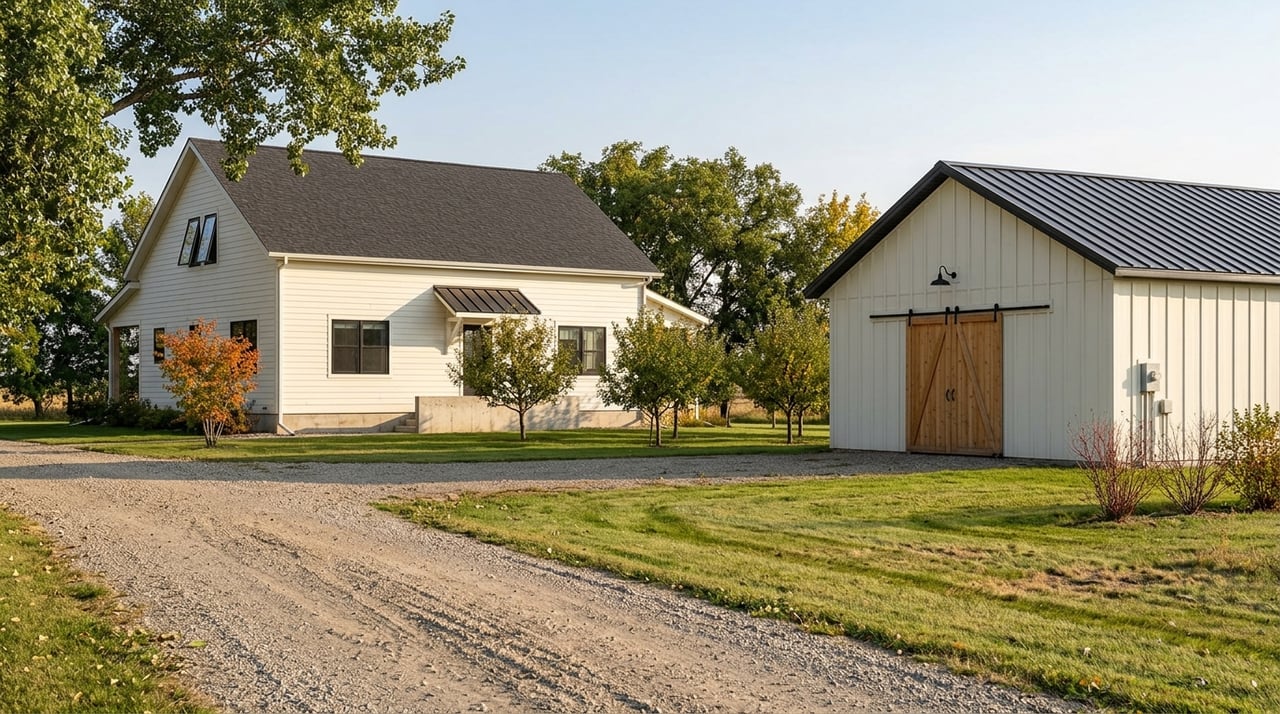
Wondering how to sell acreage or country property in Emmett without leaving buyers with more questions than confidence? Rural properties can attract strong interest, but they also require a different strategy than a typical in-town listing. When you understand what buyers are really evaluating, from access and irrigation to septic and zoning context, you can position your property more clearly and sell with fewer surprises. Let’s dive in.
Why Emmett acreage sells differently
Selling country property in Emmett is rarely just about the number of acres. Buyers are often looking for a specific use, such as a hobby farm, horse setup, irrigated ground, shop space, or a future building site. In Gem County, rural and agricultural land uses still dominate the planning framework, with most unincorporated land designated in agricultural categories under the Gem County Comprehensive Plan.
That matters because buyers want to know what the property supports in real life, not just what looks good in photos. They may be thinking about equipment access, outbuildings, water availability, or whether the layout works for their plans. The clearer you are about those details, the easier it is to attract serious, well-matched buyers.
Know your zoning and service context
One of the first things buyers will want to understand is whether your property sits inside the city, in the county, or in the Emmett Area of City Impact. That distinction can affect utilities, future development expectations, and zoning limitations. According to the Gem County Comprehensive Plan, the Area of City Impact surrounds Emmett and is expected to become a more urbanized part of the county over time.
If your property is in the Area of City Impact, buyers may ask about current zoning, annexation, and future municipal services. The county plan notes that properties there are subject to current zoning and are not eligible for rezones until annexed. If your property is outside that area, buyers may be focused more on rural use, access, topography, and infrastructure constraints.
Access can make or break a sale
For rural parcels, legal and physical access is a major value driver. Buyers want to know they can reach the property easily and use it year-round. Gem County’s road standards state that all new driveways, or increased use of an existing driveway, require a driveway permit before a building permit can be issued.
The same county standards say that if a parcel has no contiguous road frontage, the building site must have a minimum 40-foot recorded easement, right of way, or deeded strip for driveway access. They also require an all-weather driveway, a minimum 20-foot driving surface width, a grade of no more than 7 percent, and compliance with fire district standards. If access comes from a state highway, buyers may also need proof of an ITD access permit under county road standards.
If you are selling acreage in Emmett, this is not small print. It is central to buyer confidence. A property with clear frontage, recorded easements, and visible usable access is much easier to market than one with unanswered questions.
Water, septic, and utilities matter fast
Utility questions tend to come up early, especially with out-of-town buyers. Inside Emmett, the city’s Public Works department handles water and sewer systems. Outside the city, rural properties commonly rely on private wells and septic systems.
That difference affects how buyers evaluate maintenance, replacement costs, and future building plans. If your home is on well and septic, be ready to provide whatever documentation you have. For many buyers, that paperwork is part of deciding whether to schedule a showing or move forward.
Septic records buyers may request
In Gem County, septic oversight comes through Southwest District Health. The agency issues subsurface wastewater permits, evaluates land for septic placement, and notes that a subsurface sewage permit is usually required before a county building permit can be issued. Their environmental health services page also explains that on-site evaluation is required and that records requests can be made through their portal.
If you have septic permits, system details, inspection records, or past approvals, gather them before listing. Buyers considering additions, shops, or other improvements may look closely at whether the existing system could be affected. That is especially true because Southwest District Health states that accessory use approvals may be required before a county building permit is issued for additions, shops, or similar structures, and their review may determine whether septic modifications are needed.
Well information adds confidence
Well details can be just as important as septic records. The Idaho Department of Water Resources says a drilling permit and a licensed Idaho well driller are required before drilling, and the agency provides well records and research tools that can help verify well locations, depths, and related documents.
If you have a well log, pump information, or permit history, include it in your seller packet. Even when buyers plan their own inspections, having organized records helps show that you have maintained the property thoughtfully. It also helps reduce uncertainty during due diligence.
Irrigation can be a major selling point
In the Emmett area, irrigation is often one of the first questions buyers ask. Idaho Department of Water Resources explains that irrigation districts and private irrigation companies own water rights and distribute water, and its irrigation organizations resource identifies multiple organizations in Gem County, including Emmett Irrigation District and Gem Irrigation District.
Emmett Irrigation District states that water entitlement is held by the land. That means buyers may want to know whether irrigation water transfers with the property, which district serves it, and whether there are assessments or obligations tied to that service. If construction is planned near canals or district facilities, the district’s setback and FAQ guidance may also come into play.
For sellers, irrigation details should never be vague. If your property has irrigated ground, ditch access, or district service, say so clearly and support it with records whenever possible. That can help your listing stand out for the right reasons.
Outbuildings and improvements need documentation
On country property, barns, shops, corrals, additions, and accessory dwellings often carry real value. But buyers also want to know whether these improvements appear to be properly permitted and how they interact with setbacks, septic, wells, and easements.
A Gem County accessory dwelling application shows the kind of information local reviewers expect for rural projects. It asks for proof of ownership, septic approval, a driveway access permit if a new driveway is installed, and a site plan showing structures, wells, septic, setbacks, easements, and other constraints. You can review that local framework through the Gem County accessory dwelling application.
You do not need every answer to be perfect to sell successfully. You do need to be transparent. If you can show permits, approvals, and a basic site plan, you help buyers understand what is already in place and what questions they may still need to research.
How to prepare your Emmett acreage listing
Acreage marketing works best when you make the property’s usable value easy to see. Buyers should not have to guess where the driveway runs, where the outbuildings sit, or how the land lays out. Clean presentation supports stronger first impressions and better buyer qualification.
Before listing, focus on these practical steps:
- Mow or clean up open acreage
- Remove scrap or nonessential equipment
- Open up views to the home and outbuildings
- Make the driveway visible and accessible
- Highlight barns, shops, corrals, and irrigated areas
- Identify flatter building areas if applicable
- Gather permits, maps, easements, and water records
This kind of preparation helps buyers connect the listing to their intended use. It also gives your marketing a stronger story, which matters in a niche property category like country homes and acreage.
Build a strong rural seller packet
One of the smartest things you can do before going live is create a clear information packet. Rural buyers often do more due diligence before making an offer, especially if they are relocating or comparing several acreage properties at once.
A strong packet may include:
- Parcel map or survey
- Legal description
- Recorded easements
- Driveway permit
- Septic permit or records
- Well log and pump details
- Irrigation district or water entitlement information
- Permits for shops, barns, additions, or accessory dwellings
These are the same kinds of documents local agencies ask for when reviewing rural projects. When you organize them upfront, you save time, reduce stress, and make your property easier to understand.
What your marketing should answer
The best acreage listings in Emmett do more than describe the home. They answer the questions serious buyers already have. If those answers are missing, buyers may move on before scheduling a tour.
Your listing should clearly explain:
- Whether the property is city-served or uses well and septic
- Whether irrigation water is included and which district serves it
- What kind of road access or easement exists
- Whether outbuildings or additions appear to be permitted
- Whether there are notable setbacks, canal issues, or access constraints
That level of clarity attracts better-fit buyers and helps reduce renegotiation later. It also reflects the kind of thoughtful, high-touch guidance that can make a complex property sale feel much more manageable.
Why local guidance matters
Selling acreage in Emmett is part pricing strategy and part information strategy. You are not just marketing land and a home. You are helping buyers understand access, use potential, utility setup, and the practical realities of rural ownership.
That is where experienced local representation can make a real difference. With the right preparation, presentation, and buyer communication, your property can enter the market with a stronger story and a clearer path to closing. If you are thinking about selling acreage or country property in Emmett, Joyce Little can help you prepare your home, organize the right details, and market it with the personal attention and local insight your sale deserves.
FAQs
What makes selling acreage in Emmett different from selling an in-town home?
- Acreage buyers often evaluate zoning context, road access, irrigation, wells, septic systems, outbuildings, and future use potential much more closely than buyers shopping for a typical in-town property.
What access issues matter when selling country property in Gem County?
- Buyers may want to verify road frontage, recorded easements, driveway condition, and whether county standards or state highway access permits apply to the property.
What utility details should sellers provide for rural property in Emmett?
- Sellers should clearly state whether the property uses city water and sewer or a private well and septic system, and share any available permits, records, or system details.
What irrigation information do buyers ask for on Emmett acreage?
- Buyers often ask which irrigation district serves the land, whether water entitlement transfers with the property, and whether assessments, setbacks, or canal-related issues apply.
What documents help market a country property in Emmett more effectively?
- Helpful documents include a parcel map or survey, legal description, recorded easements, driveway permit, septic records, well information, irrigation details, and permits for existing improvements.