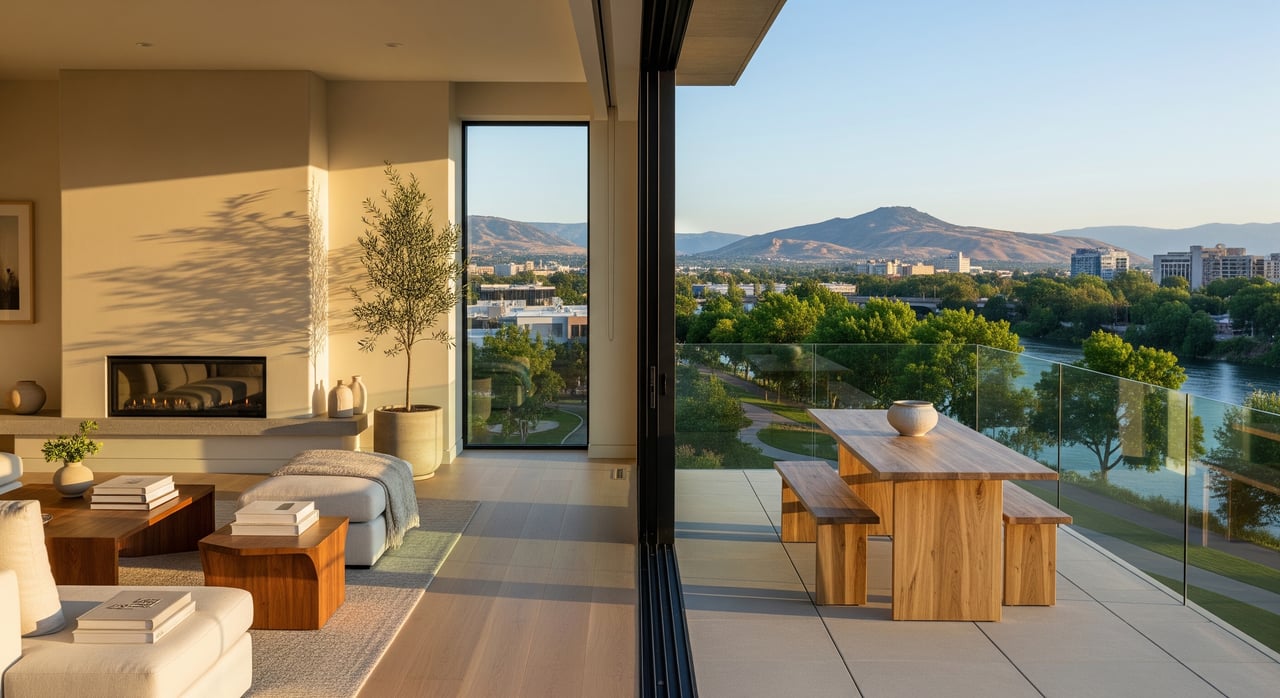
Thinking about moving to Boise and wondering what everyday life actually feels like? You want a clear picture of commutes, errands, schools, weekends, and the trade-offs behind each neighborhood. This guide walks you through the rhythms that shape daily life, from transportation and housing styles to outdoor seasons and community events. By the end, you will know how Boise fits your priorities and where to focus your home search. Let’s dive in.
Getting around Boise
Boise is car-oriented, but not car-only. Many residents drive for work and errands, especially in suburban parts of Ada County. Inside the city core, you can often keep trips short and combine driving with walking or biking.
Valley Regional Transit runs bus service across Boise and nearby cities. Frequency is higher along core corridors, while suburban routes are less frequent. To plan commutes or errands, check current routes on the Valley Regional Transit site.
You will also see plenty of bikes on city streets and the Boise River Greenbelt. The Greenbelt is a paved path that links parks, neighborhoods, and downtown, and it is part of many residents’ daily routine for fitness or short trips. Explore access points and path details on the Boise River Greenbelt page.
What a typical commute feels like
If you live close to downtown or in central neighborhoods, your drive or bike ride is usually short and predictable. In peak hours, I-84 and major arterials can slow down, especially for suburban-to-downtown commutes. Many households weigh this trade-off when choosing between a larger home farther out and a shorter commute in town.
Can you live car-light?
In downtown and the North End, yes, many daily errands are walkable or bikeable, and transit fills some gaps. Micromobility and ride-hailing are available in the core, but they are helpful add-ons rather than a replacement for most commuters. In suburban areas, a car is usually practical for school, work, and activities.
Neighborhood rhythms
Boise’s neighborhoods each have a distinct feel and daily pattern. Here is a quick look at how that translates to your routines.
North End and Hyde Park
Historic, tree-lined streets set a relaxed, walkable pace. You might stroll for coffee, hit a foothills trail before work, and stop by a neighborhood market on the way home. Homes often have smaller yards, but outdoor access and local shops are close.
Downtown and the core
Condos and apartments cluster near restaurants, nightlife, and offices. If you want a short commute, a busy events calendar, and errands on foot, this area fits a compact lifestyle. Expect an active street scene most evenings and weekends.
The Bench and South Boise
Mid-century homes mix with newer infill on midsize lots. Daily life is practical and convenient, with neighborhood schools, parks, and a mix of local and strip retail. Drives to downtown are manageable for many households, and airport access is quick.
West Boise and airport area
Contemporary subdivisions and shopping centers shape a car-forward routine. Expect quick access to big-box retail and services. Commutes to downtown or the university area will depend on your route and time of day.
Foothills and East End
Residential pockets near trailheads give you a short hop to hiking and biking. Shopping and larger retail centers may require a longer drive, which some residents accept for the scenery and outdoor access.
Meridian, Eagle, and Kuna
These Ada County suburbs offer larger subdivisions, newer homes, and strong retail access. Many residents commute to Boise for work or go into the city for cultural events and dining. The trade-off is more time in the car during peak hours.
Housing and daily trade-offs
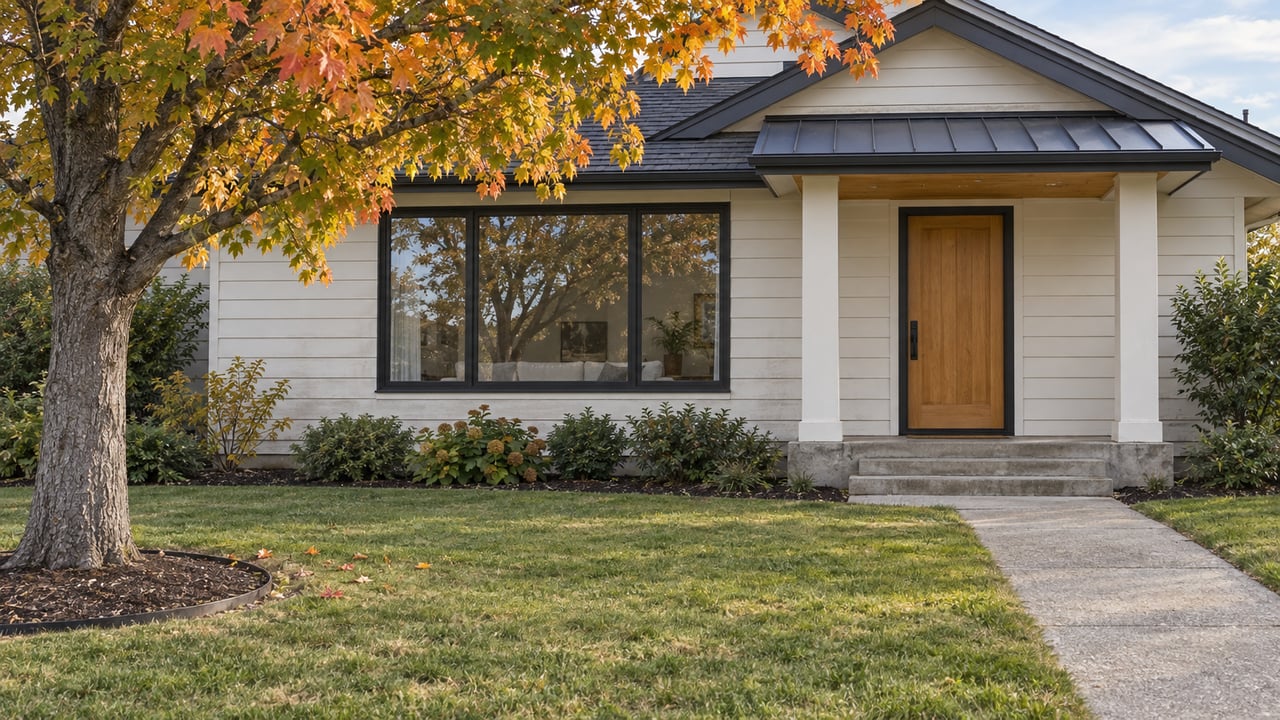
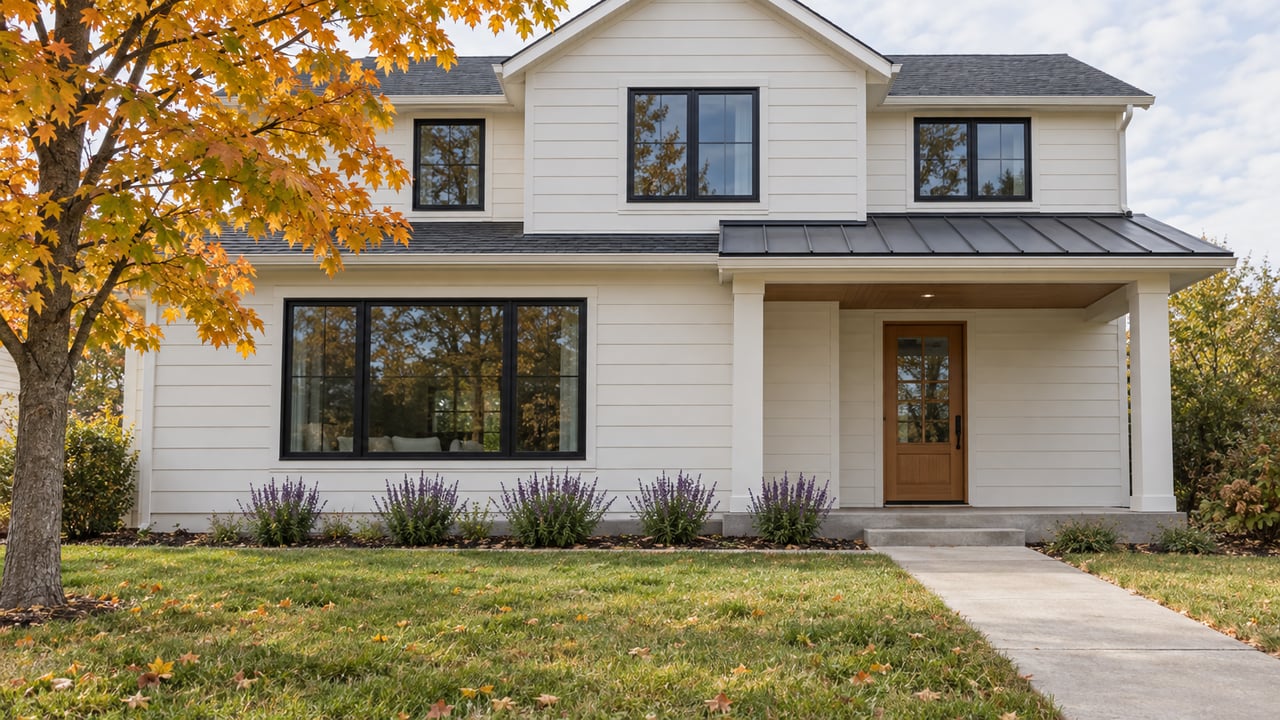
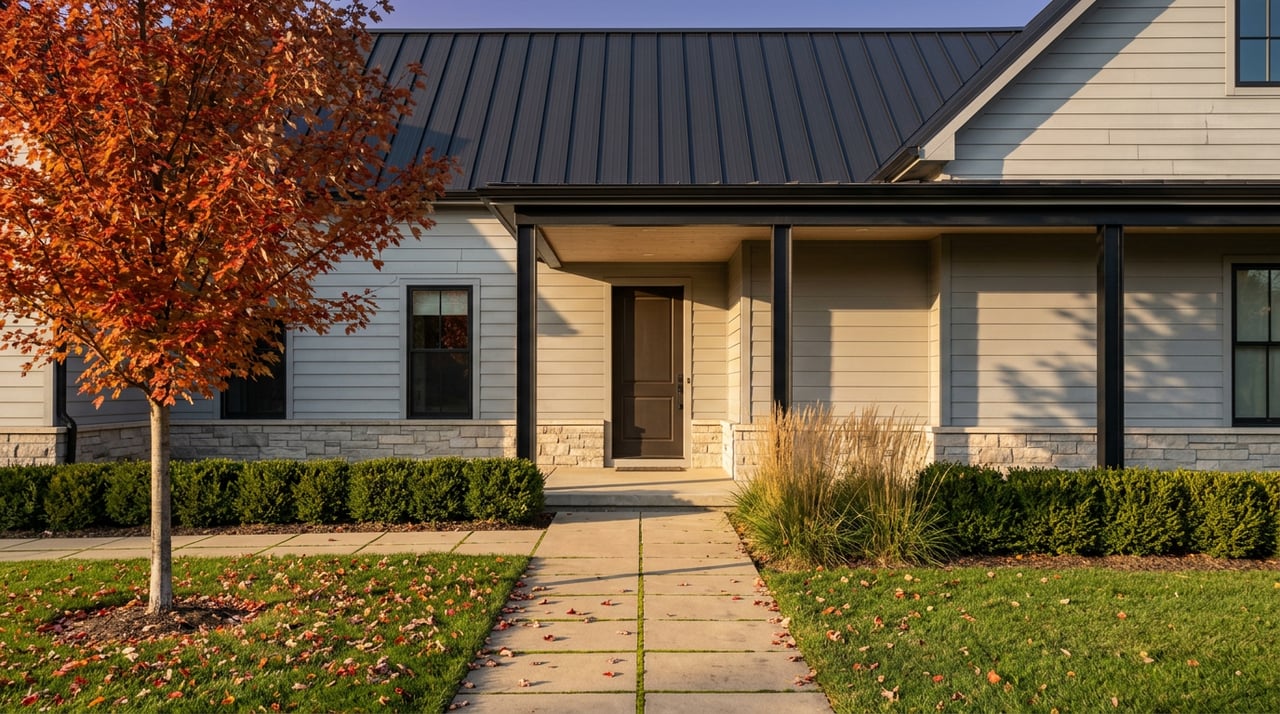
You will see a mix of historic bungalows and craftsman homes, mid-century ranches, newer single-family subdivisions, and an increasing number of townhomes and condos near the core. In general, older central homes offer walkability and character with smaller yards, while suburban homes deliver more space and newer construction with more driving for daily errands.
Boise’s growth has influenced housing costs over the last decade. Affordability is a key consideration, and market conditions shift with inventory and demand. Many buyers focus first on lifestyle fit, then compare neighborhoods with a clear view of commute time, yard size, and access to schools and parks.
Everyday essentials
A typical week balances practical errands with a growing array of local experiences.
- Food and coffee: Boise has a casual, creative dining scene with farm-to-table spots, craft breweries, and a distinctive Basque presence near the Basque Block. You will also find a steady spread of bakeries and independent coffee shops in most core areas.
- Groceries and markets: National and regional grocers are easy to reach in most neighborhoods. Farmers’ markets and seasonal stands add local produce on weekends.
- Healthcare: You have multiple hospital systems and clinics within city limits, which helps with scheduling and specialty referrals. Explore services and locations with St. Luke’s Health System and Saint Alphonsus.
- Schools and childcare: Public schools in the city fall under the Boise School District, and surrounding Ada County areas have their own districts. You will also find charter and private options. Review boundaries and programs on the Boise School District site.
- Parks and rec: The city’s network of parks, rec centers, and playgrounds is a daily staple for families. Start with the City of Boise Parks and Recreation page to explore nearby amenities.
Outdoor lifestyle by season
Boise’s semi-arid climate means long, sunny seasons and quick access to the outdoors.
- Spring: Trails start drying out, and Greenbelt traffic picks up for runs, bike rides, and weekend picnics. Rain is usually light to moderate.
- Summer: Hot, dry days support early-morning hikes and evening river walks. Floating the Boise River, paddle sports, and long daylight hours define weekday evenings and weekends. In some years, wildfire smoke can affect air quality, so it is smart to track updates from the Idaho Department of Environmental Quality.
- Fall: Clear, mild days are ideal for biking and foothills hikes. The city’s event calendar stays busy well into October.
- Winter: Colder days and periodic snow shape routines. Many residents plan ski and snow days at nearby resorts on weekends. In the city, you will still find walkable errands in core areas and regular use of the Greenbelt on clear days.
If you are comparing climates, the National Weather Service’s Boise office is another helpful resource for local forecasts and seasonal context.
Culture, events, and weekends
Weekends often blend outdoor time with local events. You can catch a performance at the Idaho Shakespeare Festival in summer or dive into multi-venue music, film, and arts during Treefort Music Fest in spring. First Thursday art nights pop up in several areas, farmers’ markets run in season, and Boise State games add energy to fall weekends. You will also see cultural events tied to Boise’s Basque heritage and citywide Pride celebrations.
Most nightlife gathers downtown and along busy commercial corridors, where you can move between bars, breweries, and music venues on foot. In suburban areas, evenings tend to revolve around local restaurants, community parks, and at-home gatherings.
Cost, safety, and growth
Housing is usually the biggest cost, and it varies by neighborhood and property type. Other expenses such as utilities, groceries, and healthcare tend to sit near or slightly below the national average for similar metros, but your household habits matter.
Boise is commonly viewed as safer than many large U.S. cities, with the usual mid-sized urban considerations. For current data and maps, start with the Boise Police Department. As the region grows, local agencies continue to focus on congestion and corridor improvements, including work guided by the Ada County Highway District and regional partners.
Growth is the backdrop to daily life here. You get more dining, retail, and events, but also more competition for homes and busier peak-hour traffic. Most residents balance these factors by choosing a neighborhood that matches their schedule, whether that means living close to work or trading commute time for space.
Sample day-in-the-life snapshots
Not every day looks the same, but these vignettes capture common rhythms.
- Young professional: Bike to a downtown office along the Greenbelt, grab lunch at a local food hall, unwind with a neighborhood brewery meet-up, and take an evening jog by the river.
- Family with school-age kids: Morning school drop-off, grocery run at a nearby center, late-afternoon soccer at the local park, and a weekend foothills hike with breakfast in Hyde Park.
- Outdoor-focused resident: Sunrise trail run from a foothills trailhead, work-from-home or co-working session, and a sunset ride on the Greenbelt. Winter weekends shift to ski days.
- Remote worker/new transplant: Rotate between independent coffee shops, schedule mid-day errands by bike in the core, and enjoy a concert during Treefort week.
Is Boise a fit for you?
If you want everyday access to trails and a growing food scene, Boise delivers. If you need a large home and yard, suburbs like Meridian, Eagle, and Kuna offer space with more time in the car. Central Boise trades yard size for walkability and short commutes. Your perfect fit comes down to how you prefer to spend your weekday hours and weekend mornings.
When you are ready to compare specific neighborhoods and homes, get a personal, local perspective. With more than three decades of experience in the Treasure Valley, Joyce Little can help you weigh commute patterns, school boundaries, and resale factors to find the right match.
FAQs
Is it realistic to live in Boise without a car?
- Yes in core areas like downtown and the North End, where walking, biking, and Valley Regional Transit service can cover many needs; suburban living usually benefits from a car.
How does Boise’s weather shape daily routines?
- Expect long, sunny seasons that support regular outdoor time; monitor air quality during late-summer wildfire periods via the Idaho Department of Environmental Quality.
What are typical commute patterns in Boise?
- Central neighborhoods often have shorter, more predictable commutes, while peak-hour traffic builds on I-84 and key arterials for suburban-to-downtown trips.
How are public schools organized in the city?
- Boise’s city schools are part of the Boise School District, with nearby Ada County communities served by their own districts, plus charter and private options.
Where do residents go for health care?
- Major systems include St. Luke’s Health System and Saint Alphonsus, along with clinics and specialty providers across the city.
What are the biggest lifestyle trade-offs for newcomers?
- Shorter commutes and walkability in central Boise often mean smaller yards, while larger suburban homes typically come with more driving and busier peak hours.